
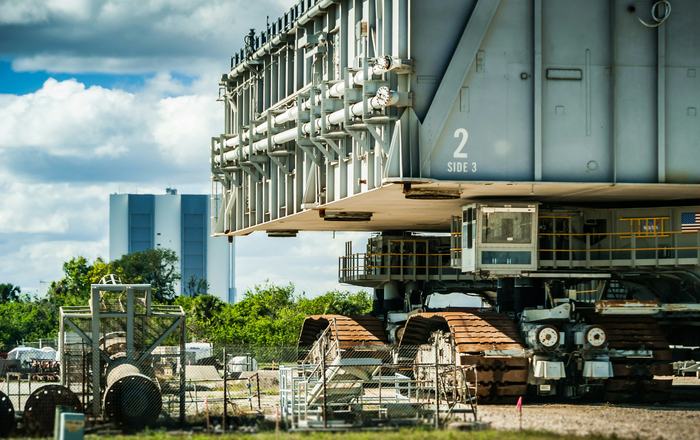
Journey to Launch
Transportation of the completed satellite from manufacturing facility to launch site, including logistics, fuelling, and integration with the launch vehicle. This phase carries risks of contamination and damage.
Risks (7)
Alumina particle emissions
HighSolid rocket boosters release alumina particles that catalyse ozone destruction in the upper atmosphere.
1 obligation2 opportunitiesBlack carbon deposition in stratosphere
HighRocket exhaust deposits black carbon particles in the stratosphere, absorbing solar radiation and contributing to localised warming and ozone depletion.
1 obligation2 opportunitiesCollision with operational satellites
HighRisk of a decommissioned or uncontrolled satellite colliding with active spacecraft, potentially creating a cascading debris event (Kessler Syndrome).
2 obligations2 opportunitiesFragmentation from residual fuel
HighResidual propellant remaining in decommissioned satellites can cause explosions, generating significant debris fields.
2 obligations1 opportunityHydrazine fuel leakage
HighLeakage of highly toxic hydrazine propellant during handling, fuelling, or in-orbit operations, posing severe health and environmental hazards.
1 obligation2 opportunitiesLaunch site soil contamination
MediumSpillage of propellants and combustion byproducts contaminate soil and groundwater at launch facilities.
1 obligation2 opportunitiesOrbital slot overcrowding in GEO
HighLimited geostationary orbital slots are becoming increasingly congested, raising collision risks and limiting future access.
1 obligation2 opportunitiesNo risks match the current filters.