
Satellite Lifecycle Stages

Satellite Design
The conceptual and detailed design phase where satellite architecture, subsystem specifications, material selection, and mission requirements are defined. Environmental considerations at this stage can significantly reduce downstream impacts.
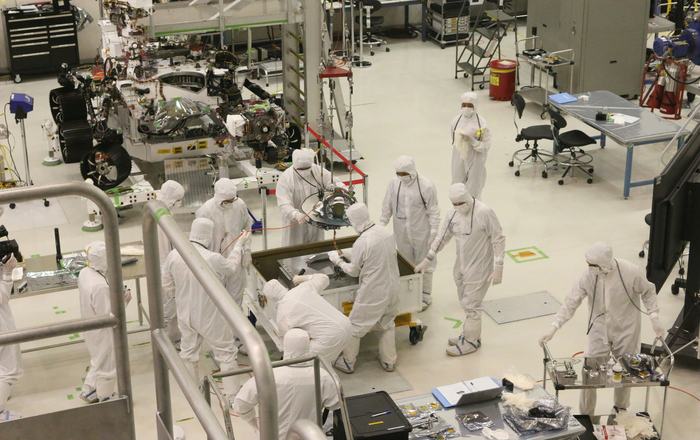
Satellite Manufacturing
The production and assembly phase where components are fabricated, integrated, and tested. Manufacturing processes involve hazardous materials, energy-intensive operations, and generate waste streams requiring careful management.
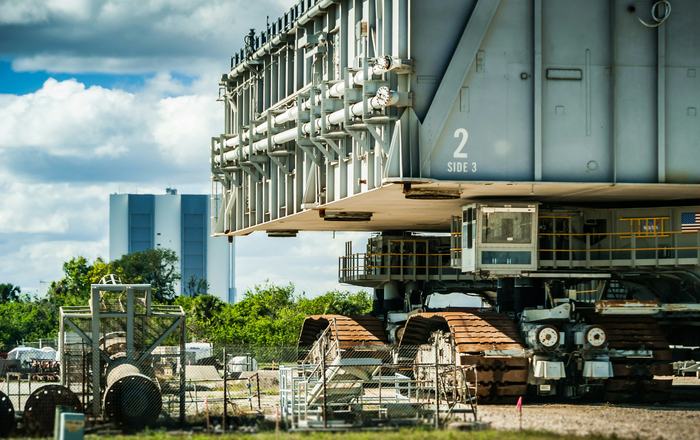
Journey to Launch
Transportation of the completed satellite from manufacturing facility to launch site, including logistics, fuelling, and integration with the launch vehicle. This phase carries risks of contamination and damage.
Launch
The launch event itself, including ignition, ascent through the atmosphere, and orbital insertion. This is the most energy-intensive phase and produces significant atmospheric emissions and noise pollution.
Operational Deployment
The operational lifetime of the satellite in orbit, during which it performs its intended mission. Concerns include fuel usage for station-keeping, potential for collisions, and radio frequency management.
End of Life
The decommissioning phase where the satellite is deorbited, moved to a graveyard orbit, or left to decay. This phase is critical for preventing long-term space debris accumulation and potential atmospheric …