
Environmental Concerns
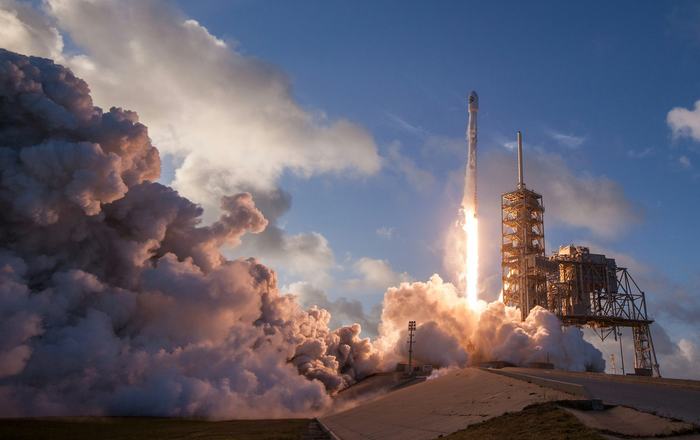
Atmospheric Pollution from Launch
HighEmissions of greenhouse gases, black carbon, alumina particles, and other pollutants into the atmosphere during rocket launches, contributing to climate change and ozone depletion.
Orbital Congestion
HighOvercrowding of popular orbital slots and bands, increasing collision probability and limiting access for future missions.
Ozone Layer Depletion
HighDamage to the stratospheric ozone layer caused by reactive chlorine and alumina particles deposited by solid rocket motors and re-entering debris.
Space Debris Generation
HighThe creation of orbital debris from satellite operations, collisions, explosions, and end-of-life fragmentation. Debris threatens operational satellites and long-term usability of orbital environments.
Toxic Material Usage
HighUse of hazardous substances such as hydrazine, beryllium, cadmium, and lead in satellite components and propellants, posing risks during manufacturing, operations, and disposal.
Ground Contamination
MediumSoil and water contamination at launch sites, manufacturing facilities, and crash/re-entry zones from toxic propellants and debris.
Light Pollution
MediumReflection of sunlight from satellite surfaces that interferes with astronomical observations and affects nocturnal ecosystems.
Radio Frequency Interference
MediumUnwanted electromagnetic signals from satellite transmissions that can disrupt radio astronomy, terrestrial communications, and wildlife navigation.
Resource Depletion
MediumExtraction of rare earth elements, precious metals, and other finite resources required for satellite manufacturing.
Electromagnetic Interference
LowUnintended electromagnetic emissions that can affect nearby electronic systems and scientific instruments both in space and on the ground.